Fencing plays an important role in defining boundaries, providing privacy, and enhancing the overall appearance of a property. There are several types of fencing available, each suited to different needs, styles, and budgets. Choosing the right option involves considering both practical requirements and the desired aesthetic, with good planning and quality workmanship being key to a successful installation.
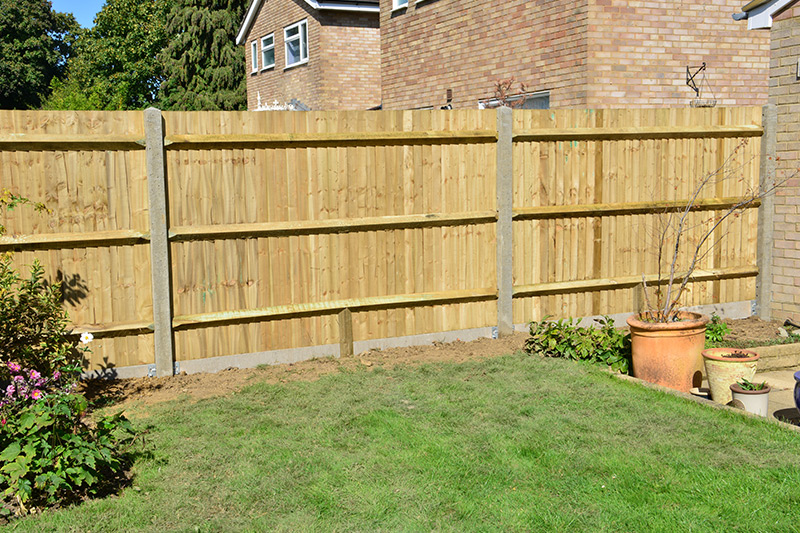
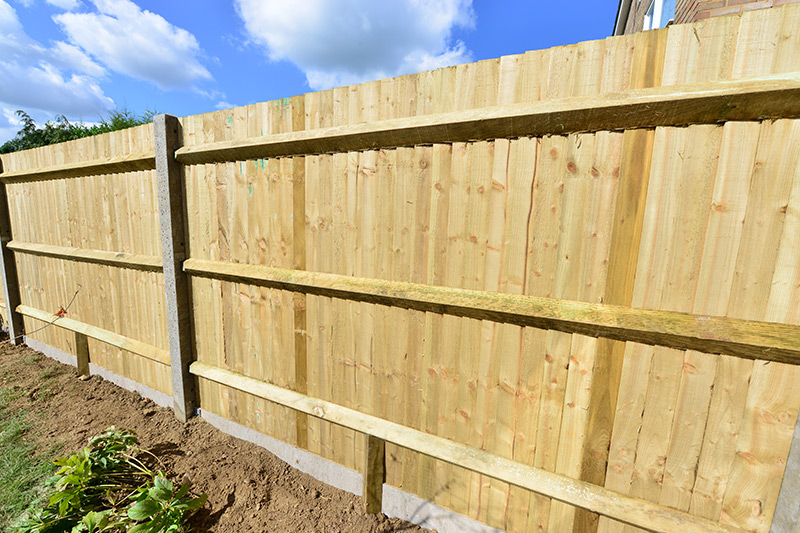
One of the most common types is panel fencing, including overlap and feather edge panels. These are widely used for their affordability and ease of installation, offering a neat and uniform look. Closeboard fencing, in particular, is known for its strength and durability, making it ideal for areas exposed to wind and harsh weather.
Picket fencing is another popular option, often used in front gardens to create a decorative boundary without obstructing views. Its classic appearance suits traditional properties and adds a welcoming feel. For those seeking more privacy and security, solid timber fencing or tongue and groove panels provide a more enclosed and robust solution.
Decorative fencing options, such as trellis panels, can be used to add visual interest and support climbing plants, helping to blend the fence into the surrounding garden. Metal fencing, including wrought iron or steel railings, offers a more contemporary or ornamental finish and is valued for its strength and low maintenance.
Regardless of the type chosen, proper planning is essential to ensure the fencing meets local requirements and fits seamlessly within the space. High-quality workmanship is equally important, with secure posts, correct alignment, and durable materials ensuring the fence remains stable and attractive for years to come.